
Pinterest is often grouped with social media platforms, but that categorization misses what truly makes it powerful. Pinterest functions primarily as a visual discovery and search engine. People come to Pinterest not to socialize, but to plan, research, compare, and decide. This fundamental difference is why Pinterest has become one of the most effective and underestimated channels for affiliate marketing.
Unlike platforms where posts disappear quickly, Pinterest content compounds. A single pin can generate traffic and conversions long after it is published. When approached strategically, Pinterest affiliate marketing becomes less about chasing trends and more about building long-term, sustainable visibility.
This guide explains Pinterest affiliate marketing in detail, from foundational concepts to execution strategy, with a clear focus on helping readers understand how and why it works.
What Is Pinterest Affiliate Marketing?
Pinterest affiliate marketing is the practice of using Pinterest content to promote products or services through affiliate links, earning a commission when users complete a defined action, such as a purchase or sign-up.
The process begins with creating visual assets that communicate a benefit, solution, or idea, called pins. These pins link either directly to an affiliate offer or to content that contains affiliate links. When users click through and convert, the affiliate earns a commission.
What makes Pinterest unique is intent. Users on Pinterest are actively searching for solutions. They are not passively consuming content; they are planning projects, researching tools, and comparing options. This intent-driven behavior means that Pinterest traffic, while sometimes lower in volume than other platforms, often converts at a higher rate.
Pinterest also acts as a content library. Pins are indexed, categorized, and shown repeatedly over time. This allows affiliates to build assets that continue to perform rather than relying on constant posting for visibility.
Why Pinterest Is Especially Effective for Affiliate Marketing
Pinterest’s effectiveness comes from how closely it mirrors buyer behavior. Before making decisions, people research. They look for guides, comparisons, and recommendations. Pinterest surfaces content precisely at this stage.
Unlike social feeds that prioritize recency or engagement velocity, Pinterest prioritizes relevance. Content is matched to user searches, interests, and previous activity. This creates an environment where helpful content is rewarded long after publication.
Another advantage is accessibility. Pinterest does not require a large following to succeed. New accounts with properly optimized pins can appear in search results if the content aligns with what users are looking for. This lowers the barrier to entry and makes Pinterest particularly suitable for affiliates who are just starting out.
Pinterest also favors consistency over virality. Success does not depend on a single breakout post. Instead, steady publication of useful content builds momentum, visibility, and trust over time.
How Pinterest Affiliate Marketing Works in Practice?
At a practical level, Pinterest affiliate marketing involves three interconnected stages: attraction, education, and conversion.
1. The attraction stage
It begins with pins that address a specific problem or goal. These pins use clear visuals and messaging to signal relevance. Their purpose is not to sell directly, but to earn the click.
2. The education stage
Once users click, they enter the education stage. This happens either on a landing page, a blog post, or a detailed resource that expands on what the pin promised. This stage builds trust by providing clarity, context, and guidance.
3. The conversion stage
The final stage is conversion. After users understand their options, affiliate links are presented as part of the solution. Because Pinterest users are already in a research mindset, conversions tend to feel natural rather than forced.
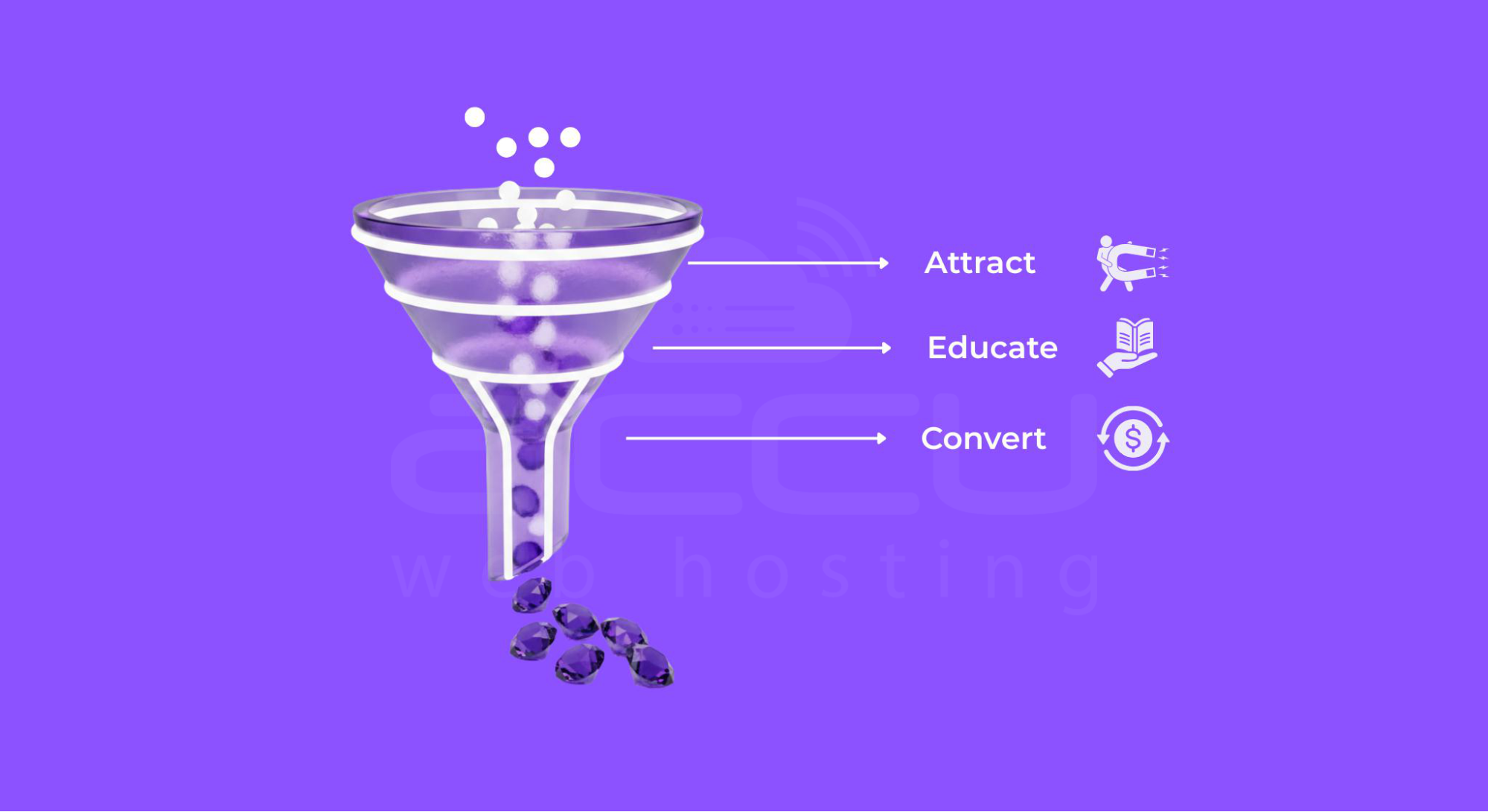
This structure explains why educational and comparison-based content consistently outperforms aggressive promotional content on Pinterest.
Pinterest Rules, Affiliate Policies, and Compliance
Pinterest allows affiliate marketing, but only when it is done transparently and responsibly. Understanding and respecting platform rules is essential for long-term success.
- Affiliate links must be disclosed clearly. Users should always know when a link is affiliated. Simple disclosures, such as stating that a pin contains affiliate links or using widely accepted hashtags, are sufficient when applied consistently. #ad or #affiliate should be at the beginning of the description or clearly visible on the pin image itself for mobile users.
- Pinterest does not allow link cloaking or deceptive redirects. The destination of a pin must match the expectation set by the content. A pin that promises a guide should not unexpectedly redirect users to a checkout page without explanation.
- Spam behavior is another critical consideration. Reposting identical pins repeatedly, saving the same link to numerous boards in a short period, or creating misleading clickbait can all reduce reach or result in account limitations.
Beyond platform rules, affiliate marketing is subject to legal disclosure requirements. Transparency is not optional. Ethical affiliate practices protect both credibility and long-term performance.
The Complete Process to Start Affiliate Marketing with Pinterest
1. Creating and Optimizing a Business Account
A Pinterest business account is essential for affiliate marketing. It provides access to analytics, advertising tools, and richer profile features. More importantly, it allows performance tracking, which is necessary for optimization.
Profile optimization should clearly communicate the niche and value focus. Pinterest uses profile information to understand content relevance, so vague or unfocused descriptions limit discoverability.
A strong profile explains who the content is for and what problems it helps solve. This clarity benefits both users and the platform’s recommendation system.
2. Choosing a Profitable and Sustainable Niche
Niche selection plays a major role in affiliate success on Pinterest. Broad niches may attract impressions, but they often convert poorly. Focused niches aligned with specific problems or goals tend to perform better.
A strong niche has three characteristics: consistent search demand, natural alignment with affiliate offers, and enough depth to support ongoing content creation. Without depth, content becomes repetitive and loses relevance.
Pinterest favors niches where users actively plan and research. When niche and intent align, affiliate links feel like helpful resources rather than advertisements.
3. Understanding Pinterest SEO and Search Intent
Pinterest SEO brings long-term traffic. While the platform is visual, it relies heavily on keywords to categorize and distribute content.
Pinterest’s search bar suggestions, related pins, and guided search prompts reveal how users phrase their queries. These insights are more valuable than external keyword tools because they reflect real user behavior on the platform.
Search intent matters as much as keywords. Informational queries typically perform better than transactional ones. Users searching for guidance are more receptive to recommendations than users searching with immediate purchase intent.
Optimizing for intent means structuring content around education, clarity, and problem-solving rather than direct selling.
4. Creating Pins That Earn Clicks and Build Trust

High-performing affiliate pins balance clarity with curiosity. Users should immediately understand what the pin offers, while feeling encouraged to click for deeper insight.
Design plays a functional role. Text overlays must be readable on mobile devices, visuals should support the message, and layouts should avoid clutter. Overly promotional designs often reduce trust and engagement.
Messaging matters more than aesthetics alone. Pins that promise outcomes, comparisons, or step-by-step guidance consistently outperform generic promotional messaging.
Over time, consistent visual branding helps establish recognition and credibility, making users more likely to click future pins.
5. Direct Affiliate Links vs Content-First Linking

Pinterest allows direct affiliate links, but using them effectively requires discretion. Direct links can work for simple, low-friction offers, but they often struggle with higher-commitment decisions.
Content-first linking introduces context before conversion. By directing users to guides, comparisons, or tutorials, affiliates reduce uncertainty and increase confidence. This approach tends to convert better and builds long-term trust.
Content-first strategies also provide flexibility. Offers can be updated, tested, or replaced without changing the original pin, allowing content to remain evergreen.
6. Growing Organic Traffic on Pinterest Over Time
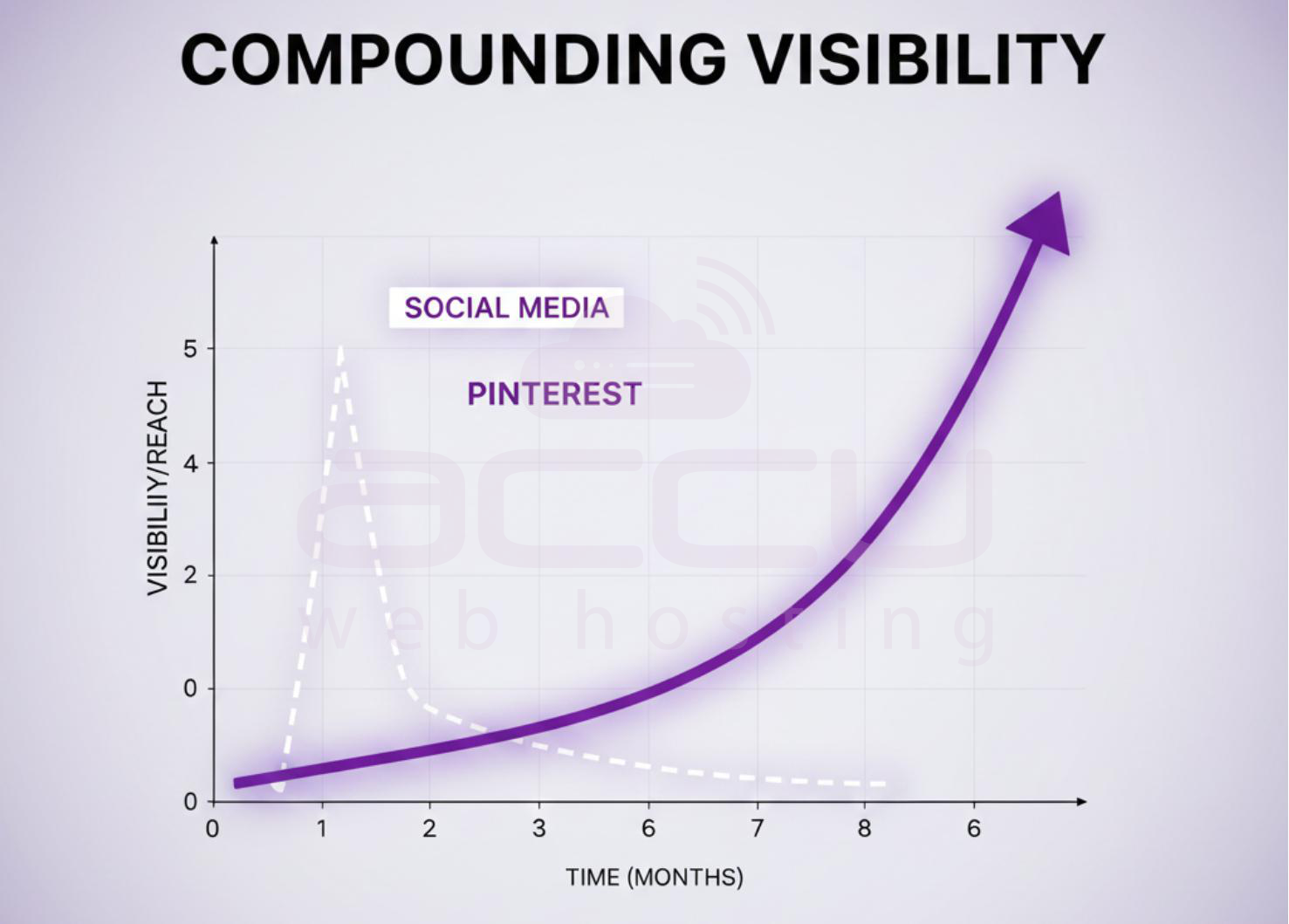
Organic growth on Pinterest works differently from most platforms. Instead of immediate spikes, Pinterest evaluates content gradually. When a pin is published, it is shown to a small test audience. If users interact with it by saving, clicking, or viewing it closely, Pinterest expands its reach to larger and more relevant audiences.
This distribution model means that performance often improves over time. Pins that seem slow initially can gain momentum weeks later. For affiliates, this is important because it shifts the focus from instant results to long-term positioning.
Sustainable growth comes from publishing content that remains useful. Educational pins, tutorials, comparisons, and planning-oriented content continue to attract attention because the underlying user need does not expire. Affiliates who build libraries of evergreen content benefit from compounding visibility rather than short-lived traffic bursts.
7. Posting Frequency, Consistency, and Scheduling Strategy
Pinterest prioritizes consistency over volume. Publishing a manageable number of high-quality pins regularly performs better than sporadic bursts of activity.
From an algorithmic perspective, consistent posting helps Pinterest understand your niche and audience. It also signals reliability, which supports broader distribution. Many successful affiliates treat Pinterest like a publishing platform rather than a social feed.
Timing is less critical than relevance, but spreading pins evenly throughout the week helps maintain steady visibility. Scheduling tools can simplify this process and ensure consistency without requiring daily manual posting.
The key is sustainability. A long-term posting schedule will always outperform an aggressive plan that leads to burnout.
8. Using Pinterest Boards Strategically
Boards are more than organizational folders. They act as contextual signals that help Pinterest classify content accurately.
Each board should have a clear theme, reflected in its name and description. Broad or vague boards dilute relevance and reduce ranking potential. Focused boards improve discoverability because they align closely with specific user interests.
When publishing a pin, the first board it is saved to matters most. This initial placement helps Pinterest determine the primary topic of the pin. Saving content to the most relevant board first improves its chances of ranking in search results.
Well-structured boards also improve user experience. Visitors who explore your profile should immediately understand what problems your content addresses.
9. Scaling Reach with Pin Variations and Fresh Content
Pinterest rewards freshness, but that doesn't require entirely new ideas. Creating multiple visual interpretations of the same concept allows you to test performance without duplicating content.
Each pin variation should introduce a meaningful difference. This could be a new headline angle, a different visual hierarchy, or an alternative value proposition. Minor changes can significantly impact engagement and click-through rates.
This approach also reduces risk. If one pin underperforms, another may gain traction over time. Affiliates who build multiple entry points to the same content increase their chances of long-term success.
Fresh content is about perspective, not repetition. When variations add genuine value, they are rewarded.
10. Understanding Pinterest Analytics and Performance Signals
Analytics are essential for refining strategy. Pinterest provides insights into impressions, saves, outbound clicks, and audience behavior.
Impressions indicate how well the content aligns with keywords and interests. Saves suggest that users see long-term value. Outbound clicks reflect intent and conversion potential.
Rather than focusing on individual pin performance, it is more useful to identify patterns. Certain topics, formats, or messaging styles often outperform others consistently. These patterns should guide future content creation.
Analytics should inform decisions, not dictate them. Data highlights what works, but strategy determines what to build next.
Common Mistakes That Limit Affiliate Performance
One of the most common mistakes is over-promotion. Pins that push offers without context often receive low engagement and limited distribution. Pinterest users respond best to guidance, not pressure.
Another frequent issue is ignoring platform rules. Missing disclosures, misleading links, or spam-like posting behavior can quietly reduce reach or lead to account restrictions.
Inconsistent posting is also problematic. Long gaps in activity disrupt momentum and slow growth. Pinterest rewards steady contributors who consistently provide value.
Finally, many affiliates underestimate the importance of alignment. When pin messaging, landing page content, and affiliate offers do not match, conversions suffer.
Improving Conversions Without Increasing Traffic
Once traffic is established, optimization becomes more important than scale. Small improvements in clarity, relevance, and trust can significantly impact conversion rates.
Clear alignment between the pin promise and destination content reduces bounce rates. Users should immediately recognize that they are in the right place.
Educational framing also improves conversions. When users feel informed rather than sold to, they are more likely to take action. This is especially important for higher-value or technical offers.
Conversion optimization is often about removing friction rather than adding persuasion.
Advanced Monetization and Funnel Thinking
As experience grows, affiliates often shift from direct monetization to funnel-based strategies. Pinterest works well as a top-of-funnel platform that introduces users to ideas and solutions.
Traffic can be directed to in-depth guides, comparisons, or resources that build trust over time. From there, affiliate offers are presented as logical next steps rather than standalone pitches.
This approach supports long-term growth and diversification. Instead of relying on a single offer or pin, affiliates build ecosystems where multiple content assets work together.
Advanced strategies focus on lifetime value rather than one-time conversions.
Long-Term Sustainability on Pinterest
Pinterest affiliate marketing rewards patience. It is not a quick-win channel, but it is one of the most stable when approached correctly.
Affiliates who focus on usefulness, clarity, and consistency tend to outperform those chasing trends. Each pin becomes an asset that contributes to long-term visibility.
Over time, the compounding effect of evergreen content, optimized boards, and refined messaging creates a predictable traffic system. This stability allows affiliates to test, improve, and expand without starting from zero.
Final Thoughts
Pinterest offers a unique opportunity for affiliates willing to invest in long-term value creation. By aligning content with user intent, maintaining transparency, and prioritizing education over promotion, it is possible to build a sustainable affiliate presence that continues to perform well over time.
The goal is not to sell harder, but to guide better. When users feel supported in their decision-making process, conversions follow naturally.


