
Over time, MySQL databases can become less efficient due to frequent updates, insertions, and deletions. These operations often leave behind unused space, which can affect performance and increase storage requirements.
Regular optimization of your database tables helps keep your website or application running smoothly by cleaning up unnecessary data and reorganizing how information is stored.
What is MySQL optimization in phpMyAdmin?
phpMyAdmin is a popular web-based interface for managing MySQL databases. It offers a simple way to optimize your database by running the OPTIMIZE TABLE command.
This feature is especially useful for tables that contain variable-length data types, such as VARCHAR, TEXT, BLOB, or VARBINARY. These tables tend to become fragmented as data changes, and optimization helps restore their efficiency.
When rows are deleted from a table, MySQL doesn’t immediately remove them from the file. Instead, it marks them as deleted and reuses the space for future insertions. Over time, this leads to fragmentation. The Optimize function helps clean up these empty spaces and improve performance.
Important: Take Precautions Before Optimizing
Before making any modifications to your database, it’s essential to follow these safety measures:
- Create a Full Backup
Use phpMyAdmin’s Export feature or a backup tool to create a full database dump. This ensures you can restore your data in case anything goes wrong. - Check for Active Connections
Ensure the database is not being heavily used during the optimization process. Running optimization during high-traffic times can cause temporary slowdowns or lock conflicts.
Benefits of Optimizing MySQL Tables
- Reclaims Disk Space
Deleted or updated rows leave gaps in the storage files. Optimization removes these gaps and reduces the physical size of your database files. - Improves Query Speed
As tables become fragmented, reading data becomes slower. Optimization defragments data and indexes, allowing queries to run faster. - Updates Internal Statistics
MySQL uses table statistics to determine the most efficient way to execute queries. Optimization refreshes these stats, helping the database make smarter decisions. - Prevents Database Bloat
Tables that aren’t regularly optimized can grow larger than necessary, resulting in slower performance and longer backup/restore times.
What the OPTIMIZE TABLE Command Does
- Removes unused space from deleted and outdated rows.
- Reorganizes data to improve efficiency and speed.
- Rebuilds indexes when needed.
- Refreshes table statistics for better query optimization.
To optimize a MySQL database using phpMyAdmin, follow these steps:
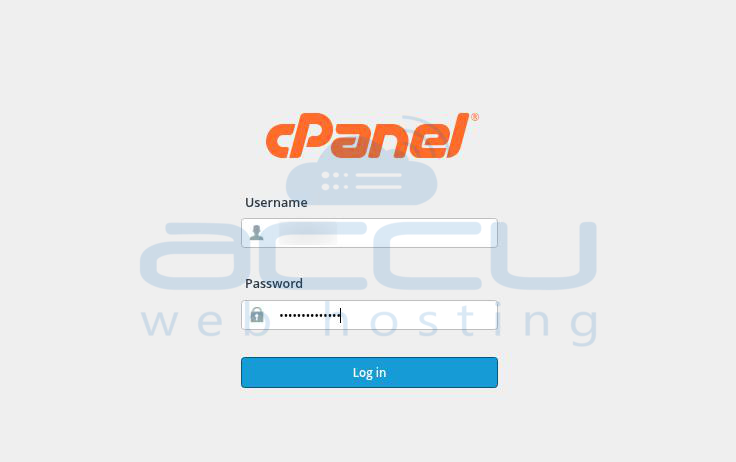
Step 1: To access phpMyAdmin from cPanel. Log in to cPanel
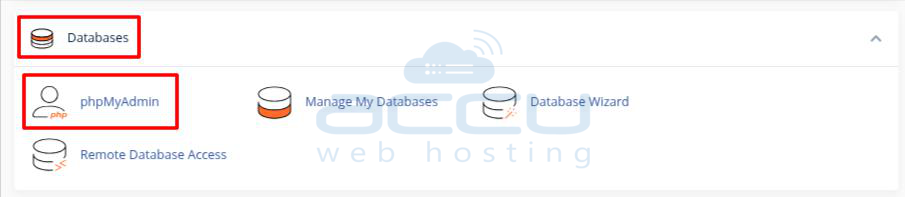
Step 2: Look for the Databases section, then click the phpMyAdmin icon.
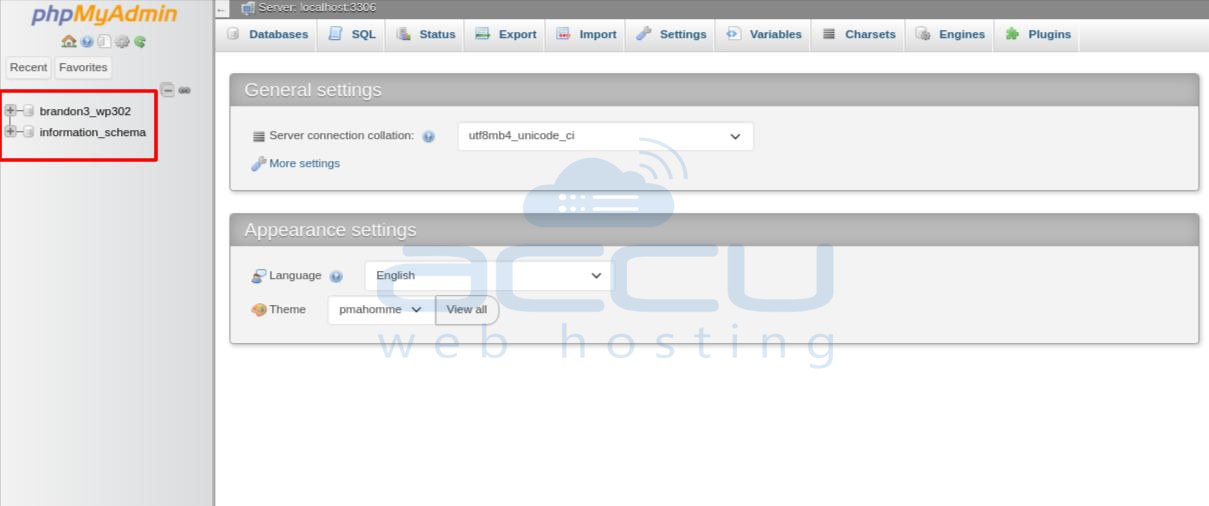
Step 3: On the next page, click your username on the left-hand side. This will display a list of your databases.
Step 4: On the phpMyAdmin main screen, click on the database you wish to optimize from the left-hand sidebar. This will typically open the Structure tab automatically, displaying a detailed list of all tables in that database—both in the sidebar and in the main content area on the right.
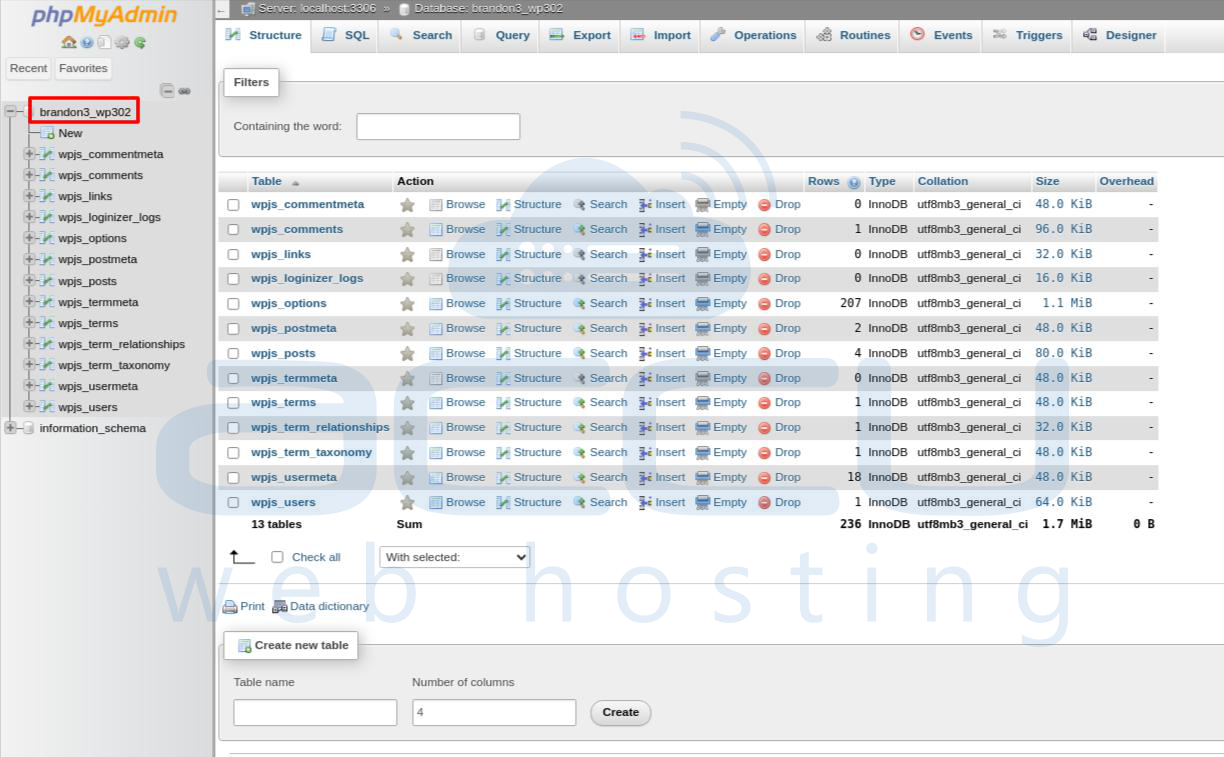
Step 5: In the main panel on the right, tick the checkboxes next to the tables you want to optimize. To select every table in the list, simply click the "Check All" option.
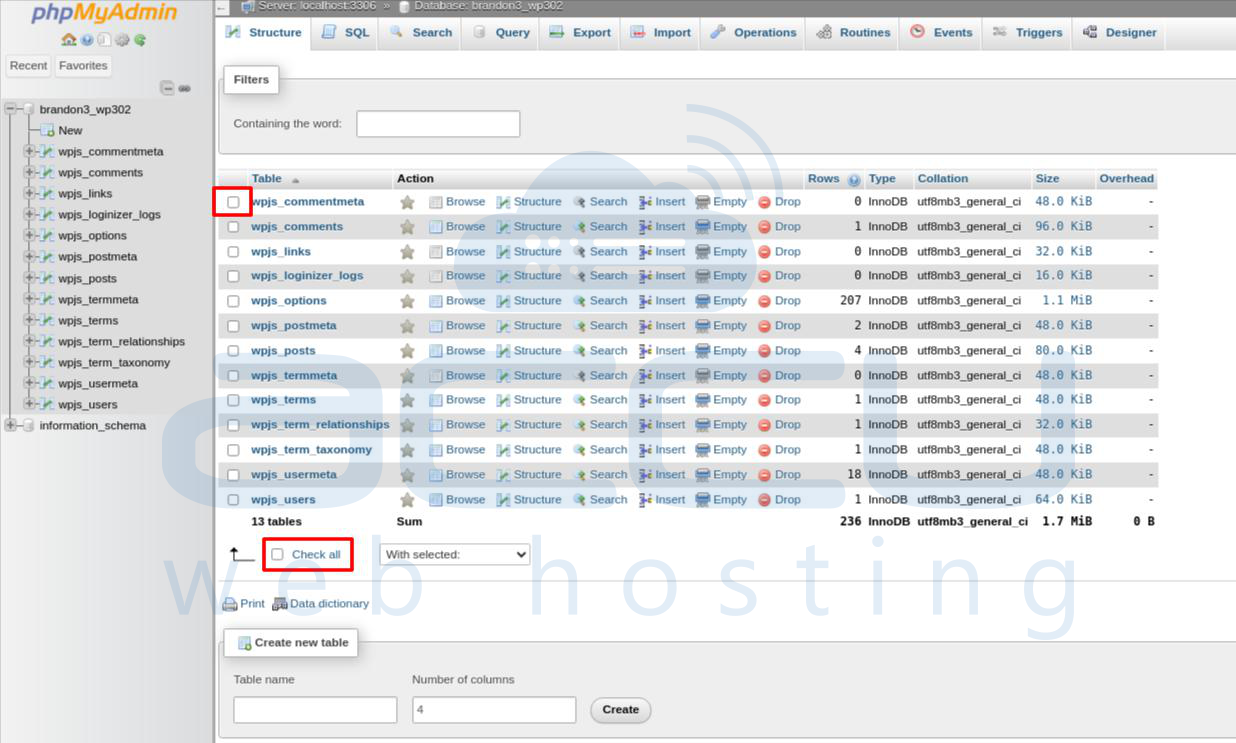
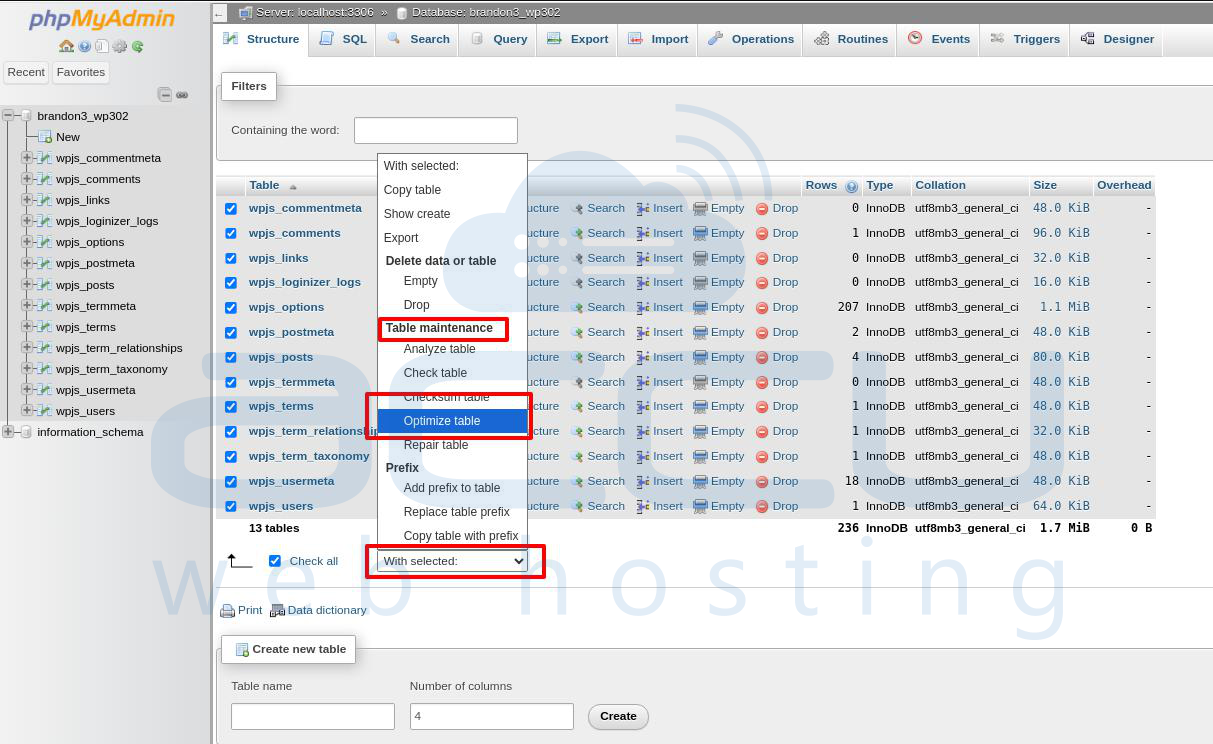
Step 6: Mark the checkbox next to the table(s) you want to optimize. Then, scroll to the bottom of the page and open the "With selected" dropdown menu. Under the Table Maintenance section, choose "Optimize table" to begin the optimization process.
Step 7: You will see a confirmation message like “Your SQL query has been executed successfully.”

In this way, we can optimize the MySQL database from phpMyAdmin.
Alternative Methods to Optimize a MySQL Database
Aside from using phpMyAdmin, there are other ways to perform database optimization:
- Using the MySQL Command Line or SSH
You can connect to your server via SSH and run SQL commands directly to optimize your tables using the OPTIMIZE TABLE statement. - Using MySQL Workbench
MySQL Workbench offers a graphical interface where you can execute optimization queries and manage your database more efficiently.
Conclusion:
Optimizing a MySQL database through phpMyAdmin is an easy and efficient method to boost overall database performance. Regular use of the “Optimize Table” option helps recover unused space, enhance query execution speed, and reduce unnecessary data buildup. This process requires minimal technical knowledge, making it ideal for routine maintenance to ensure your MySQL-based websites and applications continue to operate efficiently.