
Magento 2 is a powerful and flexible open-source eCommerce platform used by thousands of online stores worldwide. It offers advanced SEO, catalog management, and marketing tools, making it a preferred choice for building online stores. If you're hosting your website on a cPanel server, installing Magento 2 can be done quickly with a few essential steps.
This article will guide you through the process of installing Magento 2.x on a cPanel-based server.
Please refer to Install Magento 2.4.2 on cPanel for more details.
System Requirement
- Operating System: CentOS, Debian, Ubuntu, RHCE
- RAM: 2 GB (Required for Magento Update)
- Web Server: Apache 2.2 and above or Nginx
- MySQL: 5.6 or above
- PHP: 7.3
- PHP Extension: bc-math, hash, zip
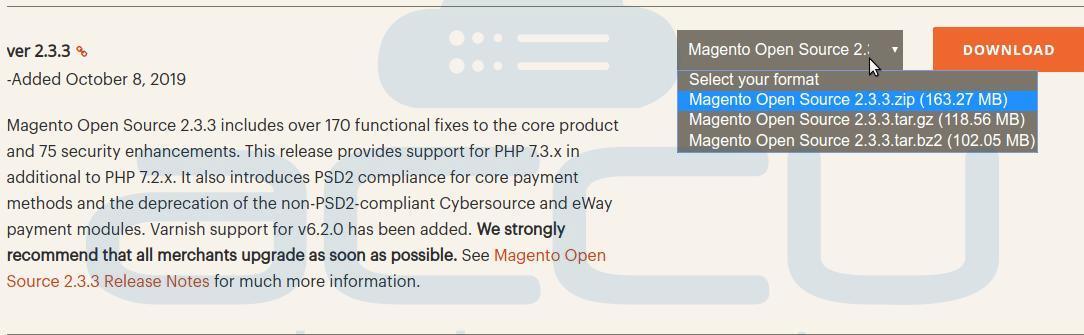
Step 1: Download Magento from this URL. You will need to create an account to download the zip file. Then, if you have the account, you can sign in and download it.
Step 2: Upload the Magento zip file to cPanel. Please click on this link to refer to the steps to upload the zip in cPanel.
Step 3: Right-click and extract the zip file in public_html.
Step 4: Access the website URL in the browser and start the Magento installation process.
Step 5: Click on Agree and Setup Magento

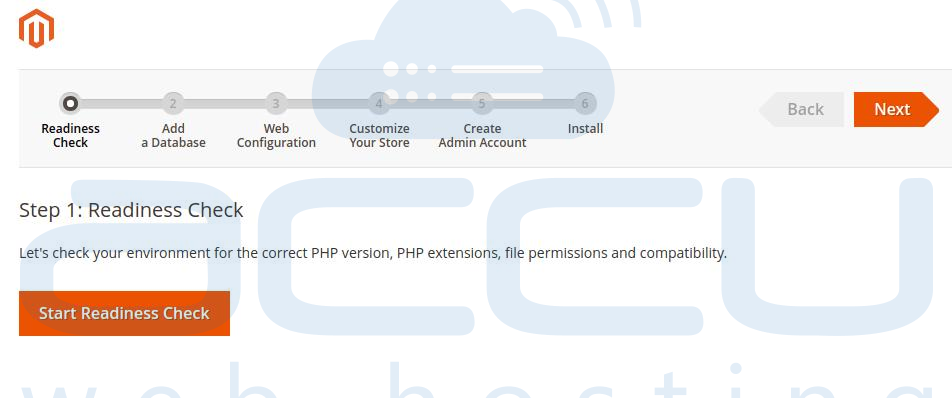
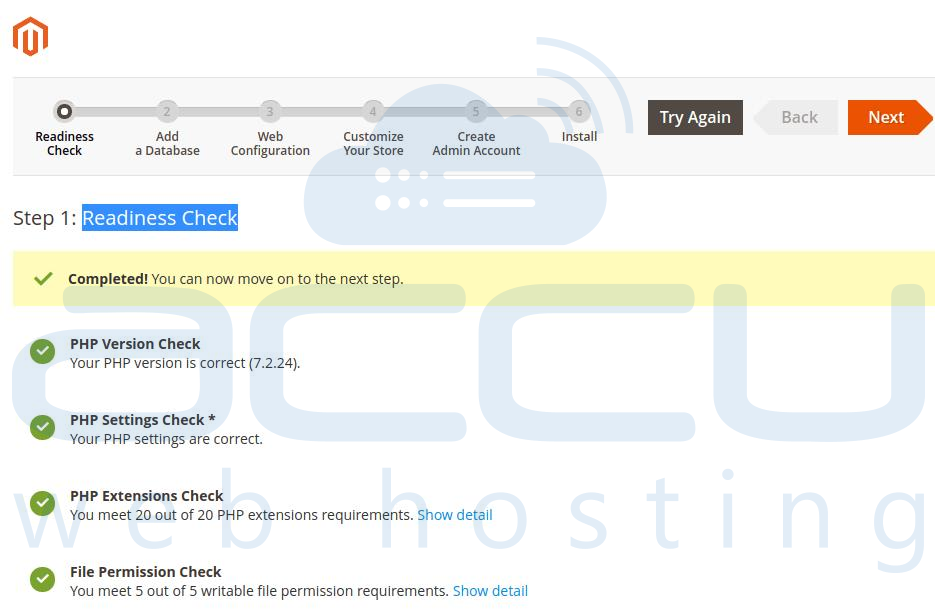
Step 6: Click on Start Readiness Check. It will check the PHP version, settings, extension, and file permission. Then click on the Next button.
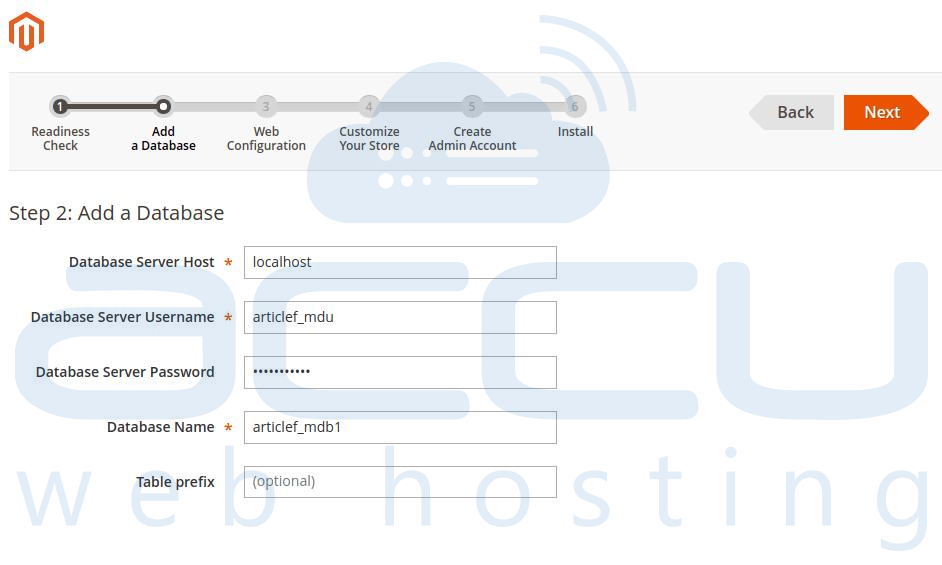
Step 7: Add Database Details.
Create a MySQL database using this link, and create a MySQL DB user using the links:
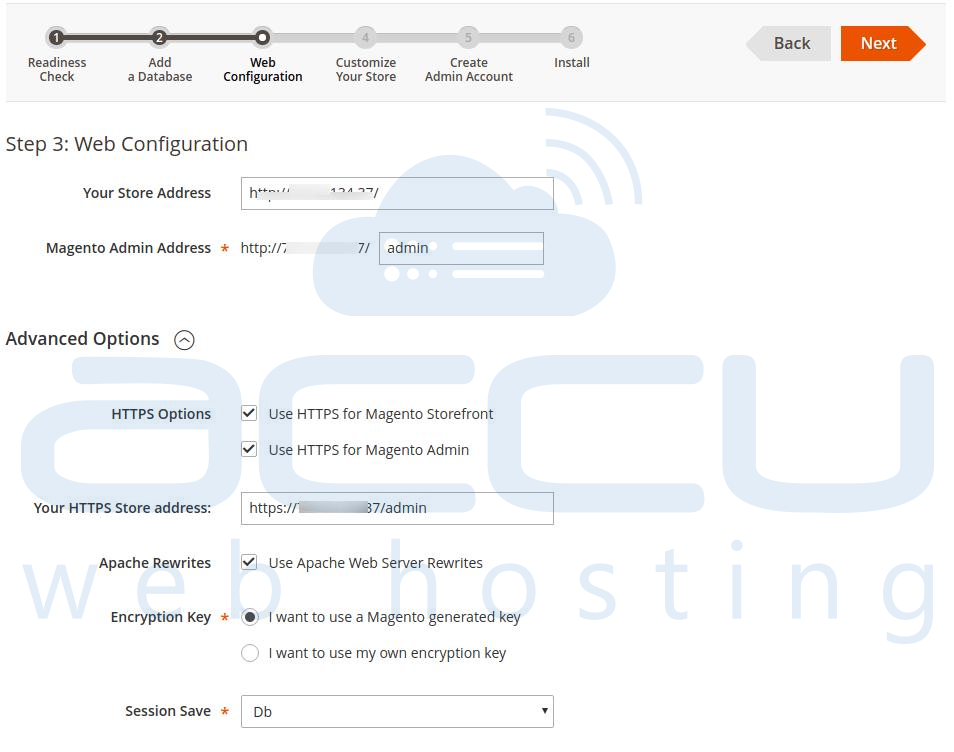
Step 8: Enter the following web configurations:
- Store Address: Your Store Name/Website name
- Magento Admin Address: Your Store Name/Admin
Advanced Options
- HTTPS Option: Tick both checkboxes if you use SSL for both URLs.
(A) Use HTTPS for Magento Storefront
(B) Use HTTPS for Magento Admin
- HTTPS Store Address: Enter the https URL for the store address.
- Encryption Key: Keep it as it is. (I want to use a Magento-generated key.)
- Session Save: DB (Save the session in the database. Saving the session in a file will increase inodes on the server.
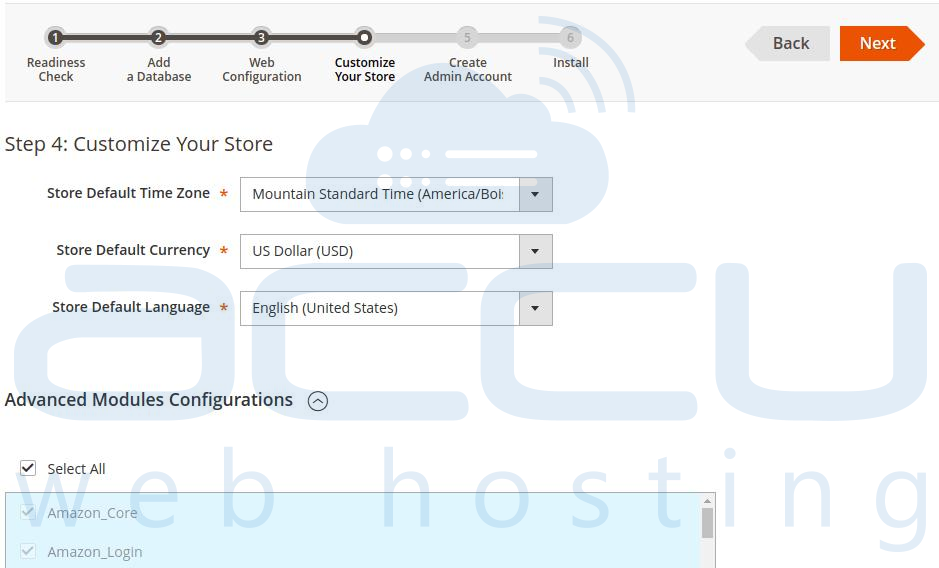
Step 9: Customize the store with default time, currency, and language. Next, choose the required module configurations or select all module configurations for Magento and click the Next button.
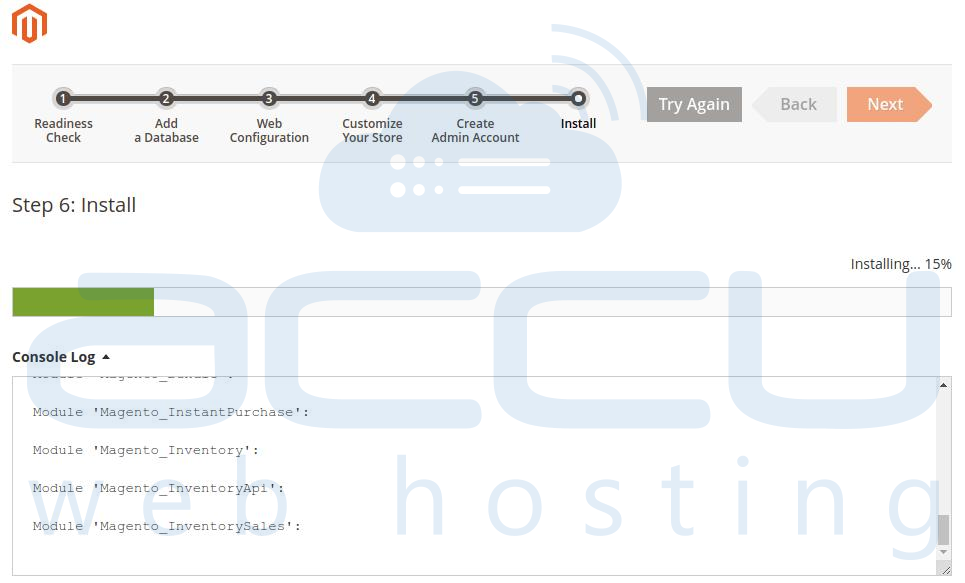
Step 10: Press the Install Now button. The installation process may take a few minutes.
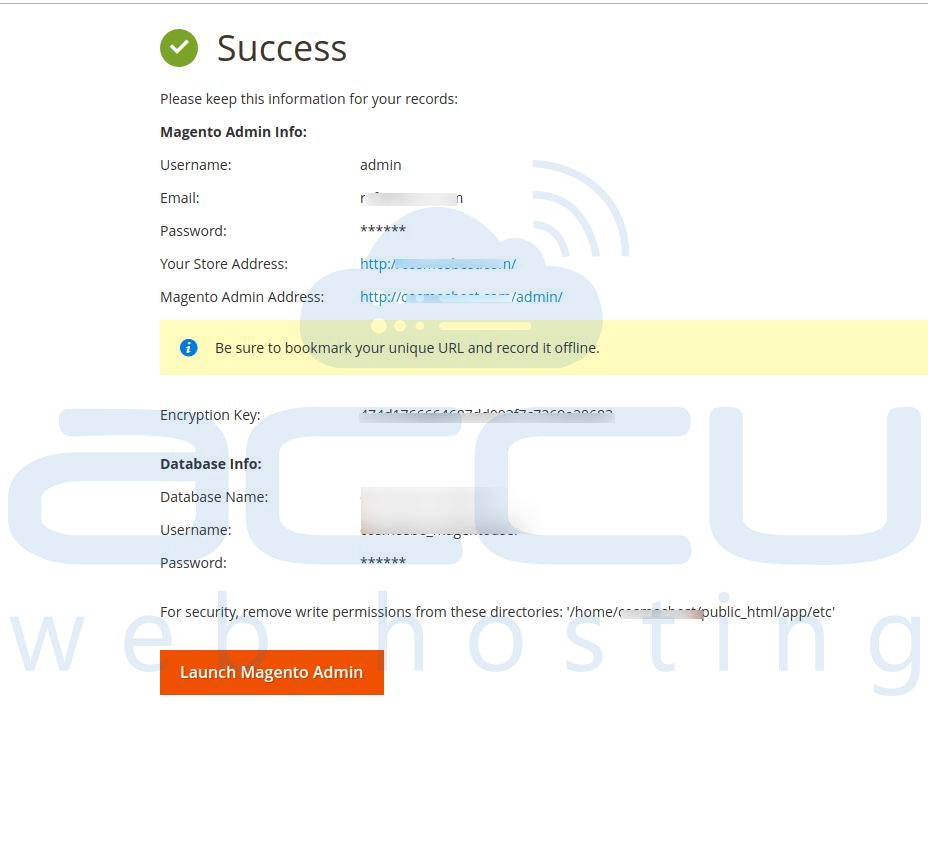
Step 11: Enter the admin account details. Please keep these details safe, as they will be required to enter the admin account once the installation is completed. Access the Magento Admin panel with the URL website name/ admin by clicking on the Launch Magento Admin button after the successful installation of Magento.
Conclusion:
By following the above steps, you have successfully installed Magento 2.x on your cPanel server, including uploading files, setting up the database, and completing the web-based installation. This setup provides a solid foundation to start building and managing your eCommerce store. Make sure to secure your site and optimize performance as needed.