
IIS (Internet Information Services) provides options to enable or disable compression for websites. Compression reduces the size of responses sent from the server to clients, which improves performance and reduces bandwidth usage. IIS supports two types of compression:
- Static Compression – For static files like HTML, CSS, JavaScript, images, etc.
- Dynamic Compression – For dynamically generated content such as ASP.NET, PHP, or other server-side pages.
Prerequisites
- Windows Server with IIS 10 installed.
- Administrative access to IIS Manager.
- Compression feature installed in IIS (if not, install via Server Manager → Add Roles and Features → IIS → Web Server → Performance → Static Content Compression / Dynamic Content Compression).
The following are the steps to enable/Disable IIS Compression.
Steps to Enable/Disable Compression
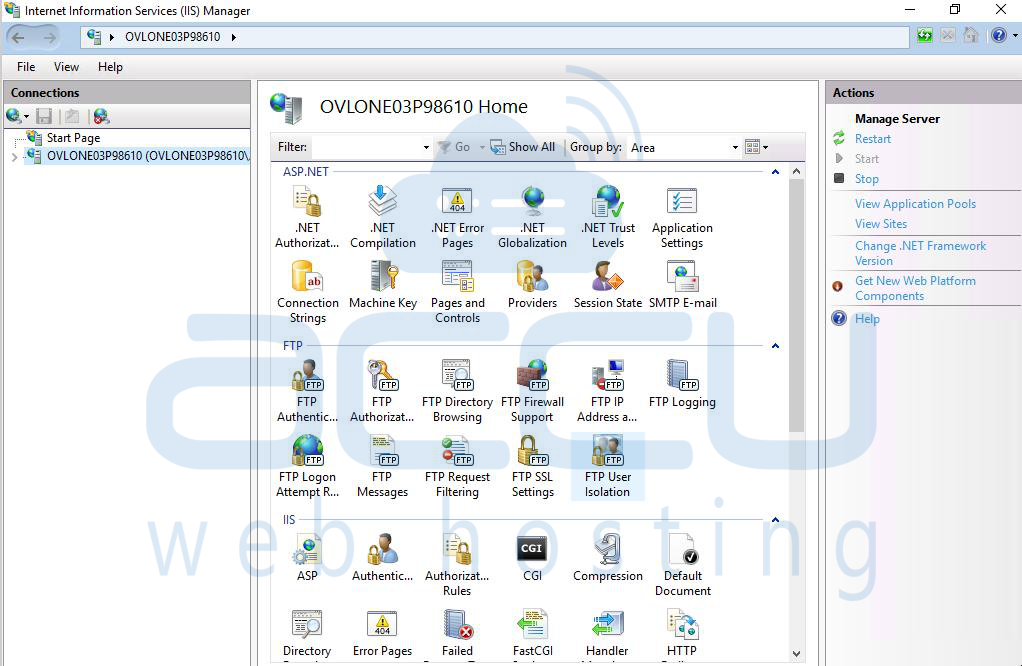
Step 1: Open IIS Manager
Press Windows + R, type inetmgr, and hit Enter. IIS Manager will open.
Step 2: Select the Website
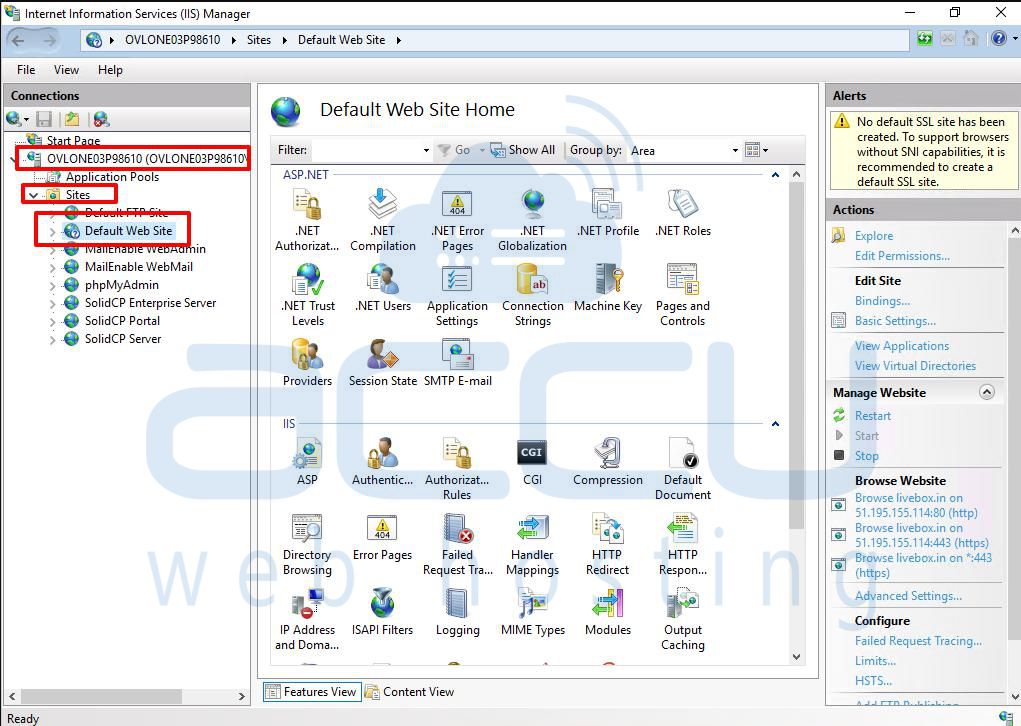
In the Connections panel (left side), expand the server name. Expand the Sites node. Click on the website where you want to enable/disable compression.
Step 3: Open Compression Feature
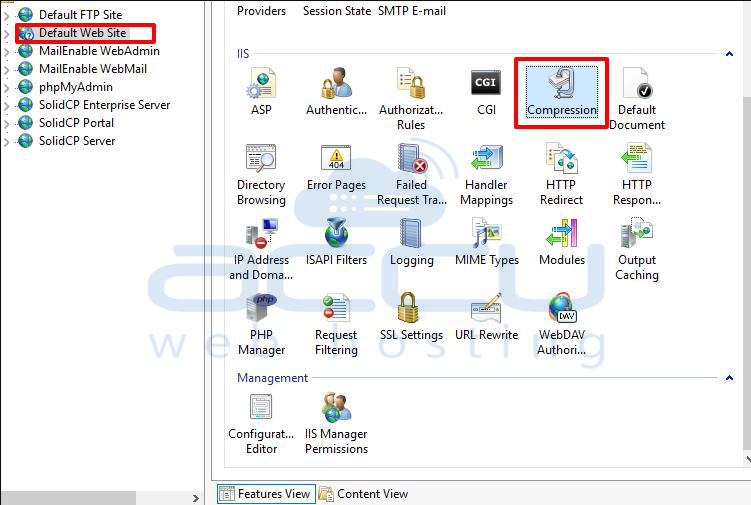
In the Features View (middle panel), locate and double-click on Compression.
Step 4: Configure Compression Settings
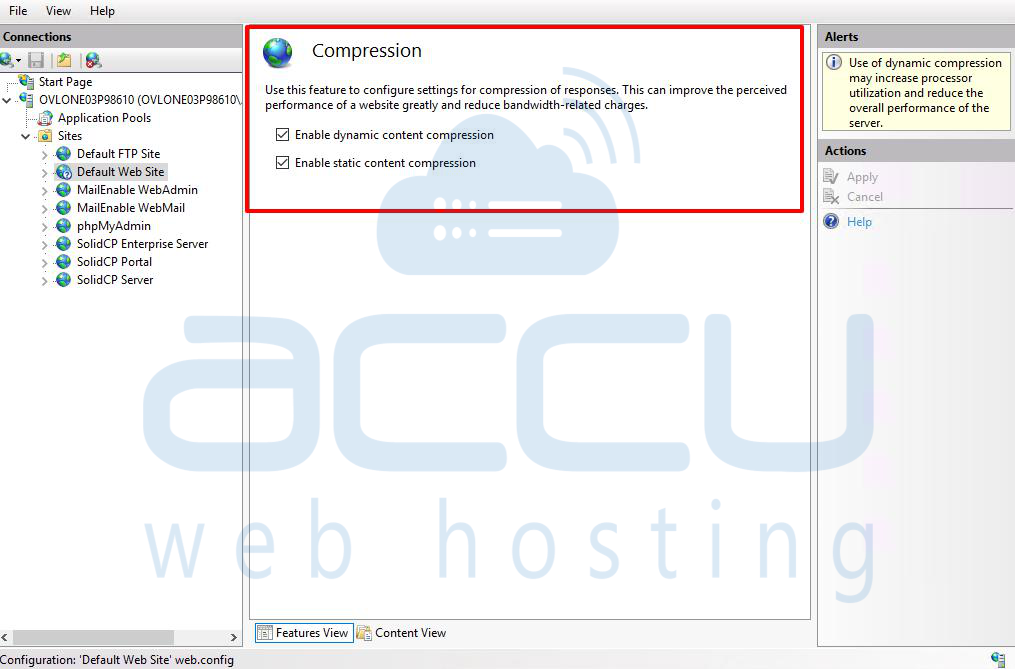
In the Compression settings window, you will see two checkboxes:
- Enable dynamic content compression
- Enable static content compression
To enable, check the boxes as required. To disable, uncheck the boxes. Click Apply (right-side Actions panel).
Notes
- Enabling compression improves performance but may slightly increase CPU usage.
- Use static compression for cached content and dynamic compression only when needed.
- If the Compression feature is missing, ensure it is installed from Server Manager.
Conclusion:
By following these steps, you can easily enable or disable compression for a specific website in IIS 10. This improves load time and optimizes server performance. Remember to test the configuration after making changes to confirm compression is working as expected.


